

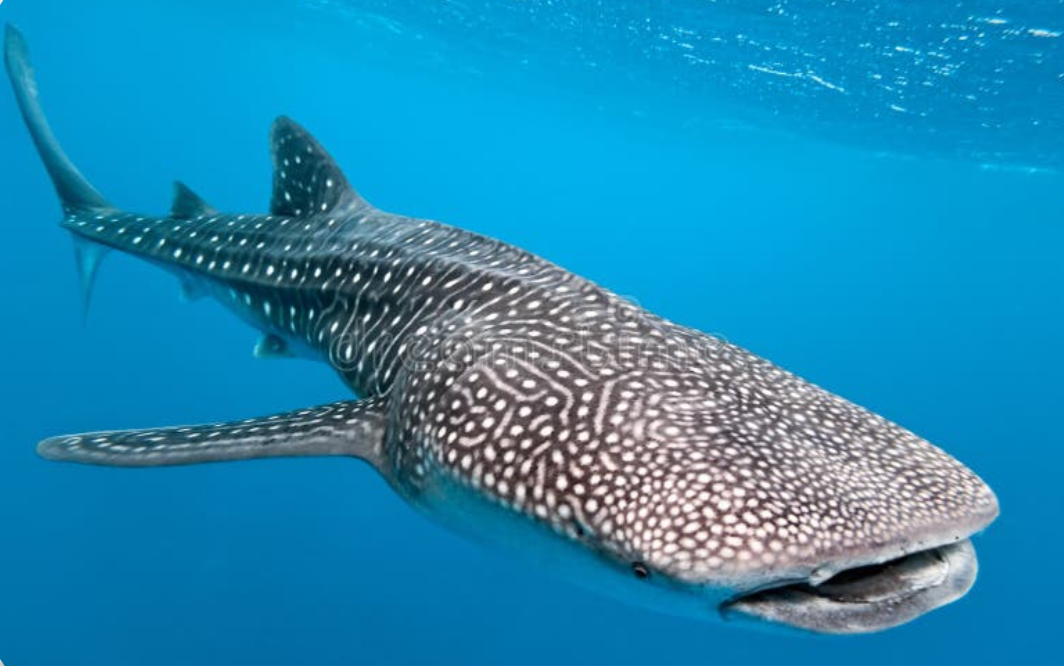
Protecting Whale Sharks: Giants That Belong in the Wild
Whale sharks—gentle giants of the sea—can grow as large as a double-decker bus, dive nearly 1,000 metres deep, and migrate thousands of kilometres across the oceans. Their immense size, wide-ranging movement, and complex needs make them wholly unsuitable for captivity. No artificial environment, however advanced, can meet their biological and behavioural needs.
Tragically, evidence from aquariums around the world shows that whale sharks suffer in captivity. In 2007, two whale sharks died within months of each other at the Georgia Aquarium in the U.S., while others have perished in facilities in Japan. In the wild, these elusive animals are listed as Vulnerable by the International Union for Conservation of Nature (IUCN), with populations believed to be declining.
Standing Up Against Captivity in Singapore
In 2006, plans emerged to import wild-caught whale sharks for display at the proposed Marine Life Park at Sentosa. In response, ACRES—alongside SPCA Singapore and Nature Society (Singapore)—publicly opposed the proposal on both welfare and conservation grounds, issuing a joint statement on International Whale Shark Day (30 August 2008).
In 2009, ACRES joined forces with seven other organisations, including LoveSharks and Sea Shepherd Conservation Society, to launch whalesharkpetition.com, rallying public support to urge Resorts World Sentosa (RWS) to cancel the importation. The campaign included an engaging Facebook application—Whale Shark Gamble—and a postcard campaign that reached communities island-wide.
A Step Forward
In May 2009, ACRES welcomed the announcement from Resorts World Sentosa that they would no longer be bringing whale sharks into Singapore. We commend RWS for this responsible and compassionate decision.
However, concerns remain that contractual obligations may still allow for the future importation of whale sharks. ACRES continues to monitor the situation and remains committed to protecting these magnificent creatures and advocating for their right to remain in the wild—where they truly belong.