
In 2003, ACRES launched the “Suffering, Not Smiling” campaign to shed light on the plight of dolphins in captivity and to urge the public to stand against marine parks and dolphinariums that exploit these sentient, intelligent beings for entertainment.
Based on scientific evidence, the campaign highlights how captivity causes significant harm to dolphins’ physical and psychological well-being, and that the supposed benefits of such facilities in research, education, and conservation do not justify the cost to the animals.
The Case of Dolphin Lagoon
At the heart of this campaign was the Indo-Pacific humpbacked dolphin—commonly known as the “pink dolphin” (Sousa chinensis)—a highly endangered species native to Southeast Asian waters. ACRES raised serious concerns about the dolphins kept at Dolphin Lagoon, operated by Underwater World Singapore (UWS) and owned by Haw Par Corporation.
Our investigation in 2003 revealed that:
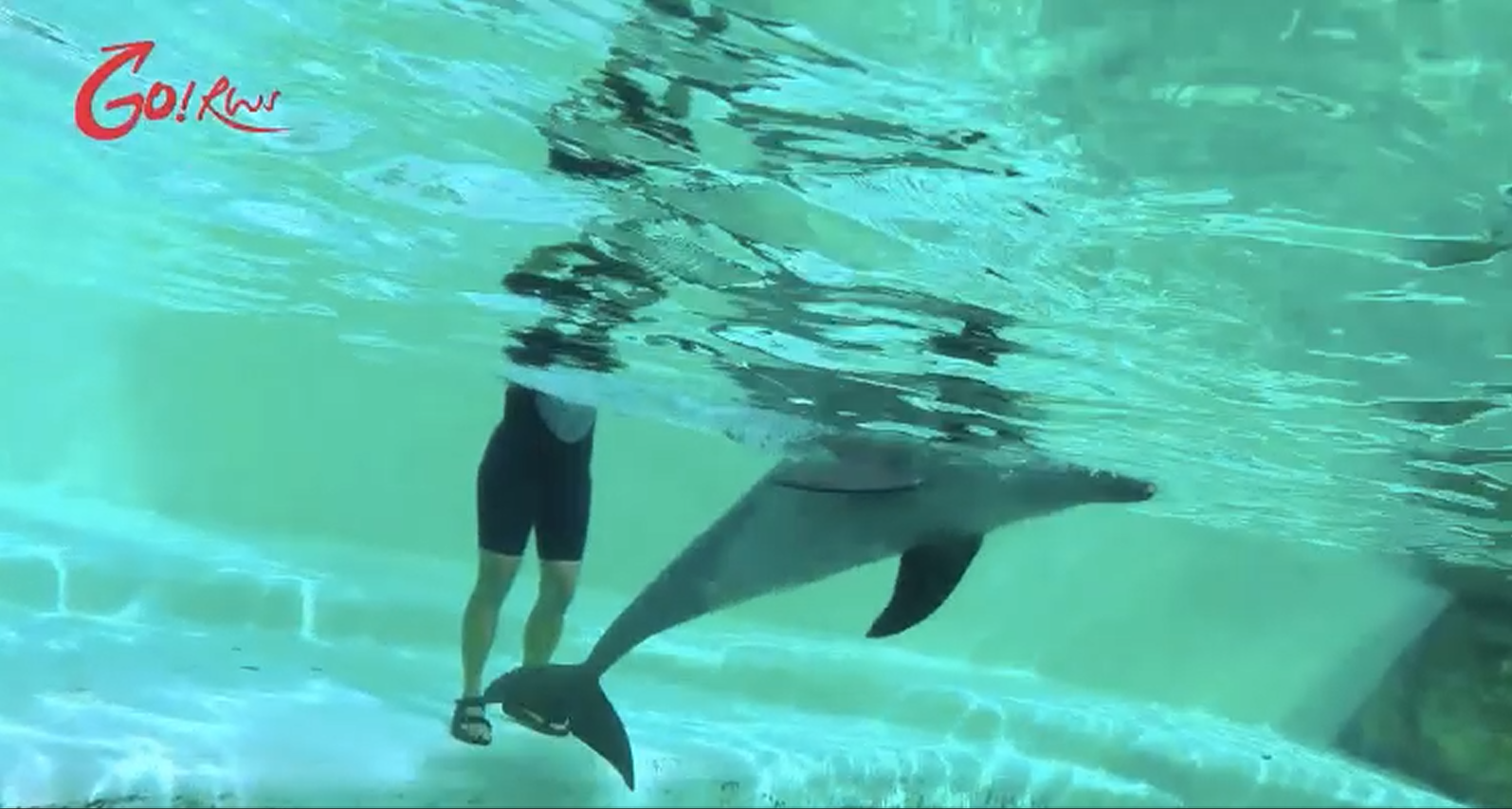
- Dolphins were housed in inappropriate conditions and forced to perform unnatural, circus-style tricks for public shows.
- Food deprivation was allegedly used as a training method.
- Shy dolphins were subjected to “petting” and “swim-with-dolphins” sessions, which exposed them to further stress.
- One female dolphin, Namtam, died from acute gastritis, a condition linked to chronic stress, in 2001.
- Another dolphin, Jumbo, exhibited clear signs of mental and physical distress.
Most alarmingly, ACRES uncovered indisputable evidence that four of the dolphins at Dolphin Lagoon—including Namtam—were wild-caught in Thailand, despite earlier claims that they were captive-bred. This revelation has serious implications for both animal welfare and species conservation, especially for a dolphin species already disappearing from parts of its natural range.
Our Campaign Goals
ACRES, with the support of the World Society for the Protection of Animals (WSPA) and thousands of supporters, called on Underwater World Singapore to:
- End all dolphin performances
- Cease petting and swim-with-dolphin programmes
- Stop importing dolphins
- Initiate research into the rehabilitation of captive pink dolphins
- Release the dolphins back to the wild where possible
Public and Global Support
- In just one year, 8,399 individuals signed our petition supporting the campaign.
- 44 international animal welfare and conservation organisations added their voices.
- Local celebrities, including Steph Song, Nadya Hutagalung, and Adrian Pang, publicly endorsed the campaign.
- Our “Suffering, Not Smiling” roadshow travelled across Singapore, raising widespread awareness.
Steph Song, actress and advocate, shared:
“Dolphins are not designed to be entertainers. Keeping them in captivity is inhumane. It devalues their intelligence, beauty, and freedom.”
Despite strong public and scientific backing, a meeting held with UWS and Haw Par on 18 July 2003 ended without resolution. A follow-up request for dialogue was declined, with Haw Par’s CEO at the time stating the matter was “closed.”
Violations of International Ethics and Trade Laws
Singapore is a signatory to the Convention on International Trade in Endangered Species (CITES), which prohibits trade that is detrimental to the survival of endangered species.
The revelation that the dolphins were wild-caught—misrepresented on CITES permits as captive-bred—raises serious ethical and legal concerns. In similar cases, such as the “Taiping Four” gorillas in Malaysia, the animals were confiscated and placed in proper care. ACRES called on Singapore’s Agri-Food and Veterinary Authority (AVA) to take similar action and confiscate the wild-caught dolphins, but unfortunately, this did not occur.
Where We Are Today
The remaining dolphins remain at Dolphin Lagoon. Despite this, ACRES continues the fight—raising awareness and urging the public to reject marine parks and dolphinariums that profit from captivity.
We believe the Indo-Pacific humpbacked dolphins deserve a second chance—to live free in the wild, where they belong. Captivity may entertain crowds, but it comes at the cost of immense, silent suffering.
How You Can Help
Speak Up
Write to Underwater World Singapore and express your disapproval of dolphin captivity. Urge them to:
- End all dolphin performances
- Stop petting and swim-with-dolphin sessions
- Cease further imports
- Initiate rehabilitation research
- Commit to releasing the dolphins
Send your message to:
The Management, Underwater World Singapore
80 Siloso Road, Sentosa, Singapore 098969
📧 Email: uwspl@underwaterworld.com.sg
- Avoid Marine Parks with Captive Dolphins
Boycott attractions that hold dolphins and other marine mammals in captivity, in Singapore or abroad. Share the truth with friends and family. - Raise Awareness
Educate others on the impact of captivity. Share articles, videos, and resources that shed light on the hidden suffering of marine mammals.
Because Dolphins Deserve More Than a Life in a Tank
Help us make sure future generations know dolphins as free, thriving beings in our oceans—not as performers in pools.
Say no to dolphin captivity. Say yes to freedom!